

Business Operation · 2025
In this section22 topics
- Corporate Information4 items
- Dividend Policy2 items
- Major Shareholders2 items
- Business Strategies Overview5 items
- Material Changes & Developments1 item
- Use of Proceeds from Securities Offerings2 items
- Commitments Made in the Registration Statement1 item
- Group Operating-Structure Policy1 item
- Companies Where the Company Holds ≥10%1 item
- Shareholders with Potential Conflict of Interest1 item
- Relationships Among Major Shareholders1 item
- Shareholders' Agreement1 item
- Shareholding Diagram (Group Structure)2 items
- Income Structure4 items
- Product / Service Characteristics3 items
- Research & Development3 items
- Assets Used in the Business6 items
- Marketing Policy & Competition3 items
- Procurement of Products & Services2 items
- Projects Under Construction1 item
- Debentures & Bills of Exchange1 item
- Convertible Securities1 item
Corporate Information
Company Name
Safe Fertility Group Public Company Limited
Telephone
0-2252-3833
Website
www.safefertilitygroup.com
investorrelations@safefertilitygroup.com
Dividend Policy
Dividend Policy
The Company has a policy to distribute dividends to shareholders at least 50% of the net profit based on the specific financial statements, after deducting corporate income tax, legal reserves, and other reserves (if applicable). The Board of Directors will approve dividend payment by considering various factors, primarily for the benefit of shareholders. These factors include economic conditions, operating results, financial position of the company, cash flow, reserves for future investments, reserves for loan repayment, or as internal working capital. The conditions and limitations specified in the loan agreement and dividend payment will not have a significant impact on the Company's regular operations as the Board of Directors considers appropriate.
The Board of Directors may consider the payment of the Company's annual dividends. This dividend payment requires the shareholders' approval. However, the Board of Directors may from time to time approve interim dividend payments when it considers that the Company has sufficient profitability. Subsequently, the Board of Directors must report to the shareholders the interim dividend payment in the next meeting.
Historical Dividend Payments
| This Year | Last Year | 2 Years Ago | 3 Years Ago | 4 Years Ago | Metric | Description | Remark |
|---|---|---|---|---|---|---|---|
| 0.42 | 0.62 | 0.83 | 2.89 | 2.04 | Net profit per share (Baht : Share) | Net profit per share (baht : share) | Earnings per share (EPS) is calculated based on the net profit attributable to ordinary shares from the separate financial statements, as the Company pays dividends based on the net profit reported in the separate financial statements. |
| 0.41 | 0.62 | 0.81 | 2.9 | 1.91 | Dividend per share (Baht : Share) | Dividend per share (baht : share) | |
| 0 | 0 | 0 | Dividend stock ratio (Number of original shares: dividend shares) | Ratio of stock dividend payment (existing share : stock dividend) | |||
| 0 | 0 | 0 | Dividend share value per share (Baht : Share) | Value of stock dividend per share (baht : share) | |||
| 0.41 | 0.62 | 0.81 | Total dividend payment value (Baht : Share) | Total dividend payment (baht : share) | |||
| 98.16 | 99.64 | 96.98 | 100.38 | 93.62 | Dividend payout ratio to net profit (%) | Dividend payout ratio compared to net profit (%) |
Business Strategies Overview
Chairman's Message
Dear Shareholders and Stakeholders,
In 2025, Safe Fertility Group Public Company Limited continued to operate amid challenges arising from global economic volatility and structural changes in society, particularly declining birth rates and the increasing trend of delayed childbearing. Nevertheless, these factors have become key drivers supporting the continuous growth in demand for Assisted Reproductive Technology (ART), presenting significant opportunities for the Company to expand its services.
The Company remains committed to being a leading provider of comprehensive fertility treatment services. We place strong emphasis on treatment quality, adherence to international medical standards, and the adoption of advanced technologies to enhance success rates and build confidence among our patients, both domestically and internationally.
Throughout the year, the Company focused on strengthening its capabilities across all dimensions, including upgrading laboratory standards, adopting advanced medical technologies, continuously developing medical personnel, and improving cost efficiency. These efforts aim to support sustainable growth and enhance the Company’s long-term competitiveness.
In terms of corporate governance, the Company continues to uphold transparency, accountability to all stakeholders, and strict compliance with applicable laws and regulations. This is complemented by prudent risk management practices and a strong commitment to ESG principles, encompassing environmental, social, and governance aspects, to ensure long-term sustainability.
Looking ahead, the Company foresees continued growth opportunities in both domestic and international markets, particularly among international patients seeking medical services (Medical Tourism). The Company will continue to expand its IVF service capabilities, as well as related reproductive health and long-term family care services, to create sustainable value for shareholders and all stakeholders.
On behalf of the Board of Directors of Safe Fertility Group Public Company Limited, I would like to express my sincere appreciation to our shareholders, patients, business partners, suppliers, communities, and all stakeholders for their continued trust and confidence in the Company. I would also like to extend my gratitude to our medical professionals, management team, and employees for their dedication and commitment.
The Company will continue to strive for continuous development to achieve sustainable growth and deliver long-term value to our shareholders and society.
Vision
To be a leader in infertility treatment and embryos genetic diagnosis in the Asian region.
Mission
Focuses on providing world-class services, Prioritizing patient safety and Innovative and cutting-edge technologies.
Core Value
RISE is composed of :
R = Respect People seeing the value in and respecting people
I = Integrity signifying transparency and ethical conduct
S = Social Responsibility signifying accountability and giving back to society
E = In search of Excellence signifying strive for excellence
Objectives
The Company aims to provide infertility treatment services using internationally recognized reproductive medicine technologies in order to enhance the chances of conception for patients. The Company places strong emphasis on quality of care, patient safety, and medical ethics. In addition, the Company is committed to continuously developing medical technologies and innovations, as well as enhancing laboratory standards and the capabilities of medical and scientific personnel to improve treatment efficiency and build confidence among patients.
Goals
The Company aims to improve the effectiveness and success rates of infertility treatments while continuously developing comprehensive fertility services to better meet patients’ needs. The Company also seeks to expand its patient base both domestically and internationally and strengthen collaborations with business partners to enhance its competitive capabilities.
At the same time, the Company strives to achieve sustainable growth in revenue and operating performance under good corporate governance principles, with the objective of creating long-term value for shareholders.
Business Strategies
1) Expanding the network of fertility clinics and laboratories and strengthening relationships with hospitals, clinics, and medical professionals to enhance market share and referral network, both nationally and internationally.
The Company has developed a strategy to expand its network of fertility clinics and fertility laboratories in areas with high demand and growth potential, aiming to strengthen its service capacity. The Company will primarily focus on expanding through the service network of partner hospitals, which have a nationwide coverage. This expansion will involve establishing fertility medical centers and fertility laboratories within partner clinics located in strategically chosen areas with economic and tourism potential. The Company will pursue various forms of collaboration, including commercial alliances and joint investments, to ensure appropriate returns. These efforts will enable the Company to enhance cost efficiency in its operations. This expansion strategy requires lower investment budget compared to opening new branches independently. The strategy results in a shorter payback period and reduced lead time before commencing operations. This facilitates the recruitment of physicians specializing in reproductive medicine, making it easier for them to join the Company. They can examine patients in the outpatient obstetrics and gynecology department of the hospital. Moreover, the Company has the opportunity to increase its customer base by providing extended care for patients from the hospital's Obstetrics and Gynecology department. And the Company benefits from the potential to enhance its revenue stream by providing chromosome screening services to pregnant patients who seek antenatal care at the hospital. The Company plans to expand its network of fertility centers and laboratories through partnerships with partner hospitals. This includes acquiring other fertility medical centers that the Company identifies as having future growth potential and the opportunity for long-term returns on investment.
In addition, the Company also emphasizes establishing strong relationships with hospitals, clinics, and medical professionals both domestically and internationally over the past 15 years. This includes organizing workshops focused on reproductive technology for medical personnel, hosting seminars with doctors specializing in infertility treatment from both local and international contexts as guest speakers and publishing academic articles. This helps establishing strong and reputable presence in infertility treatment, both domestically and internationally. The Company's positive relationships with hospitals, clinics, and medical professionals have opened up new and exciting business prospects.
2) Becoming a leader in infertility treatment and embryo genetic diagnostics in Asia and focusing on delivering exceptional infertility services and leveraging cutting-edge technology, with a focus on achieving outstanding success rates and prioritizing patient safety.
The Company is dedicated to establishing itself as a leader in infertility treatment and embryo genetic diagnostics in Asia. We prioritize delivering excellent services that use cutting-edge and globally recognized technology, instilling confidence in our customers with exceptional success rates and prioritizing patient safety
The Company focuses on being a leader in assisted reproductive technology and efficient embryo genetic diagnosis, such as:
In 2011, The first in Thailand to use aCGH technology for embryo genetic abnormality diagnosis.
In 2012, The first in Thailand to use an Embryoscope to monitor embryo development more efficiently.
In 2014,The first in Thailand to use the Illumina NGS (PGT-A) technique for screening all 24 embryo chromosomes, and the first induction of fetal chromosomal abnormality screening (NIPT) technology.
In 2016, Introducing genetic screening technology using Karyomapping.
In 2024, The Company has introduced a new technology called PGTSeq from JUNO Genetic Co., Ltd., United States for embryo genetic diagnosis. It is the first in Thailand and exclusivity only for the Company. This technology has been developed to display various data about the embryo and analyze the quality of the embryo efficiently and accurately, helping to obtain a number of complete embryos and increase the chance of a successful pregnancy, reducing the miscarriage rate.
In 2025, the Company introduced a technology known as Expanded Carrier Screening (ECS), a genetic test designed to identify carriers of inherited genetic disorders in married couples or partners who are planning to have children. These genetic conditions can be passed from parents to their children even if the parents are healthy and have no prior history of the disease. This screening enables couples to make informed decisions and appropriately plan for having children. The test involves collecting a blood sample to analyze abnormalities across hundreds of genes simultaneously, allowing prospective parents to understand the potential risk of having a child who may inherit certain recessive genetic disorders.
The Company is actively engaged in studying and researching innovations. It possesses advanced medical technologies such as Robotic Technologies in Qualifi Prenatal Test, which is a screening method for detecting chromosomal abnormalities in the fetus. This test uses maternal blood samples taken from pregnancies of 10 weeks or more. NGG uses robotics technology at every stage of the examination and an AI system for analysis. This enables the Company to deliver results within 7 days, while ensuring the safety of the fetus.
The Company focuses on developing and improving services and management to achieve international standard certification. At present, the Company has received various standard certifications and quality certificates from international organizations, which has earned the trust of customers in Thailand and abroad. The Company, the first IVF clinic in Thailand, accredited by the Reproductive Technology Accreditation Committee (RTAC) in Australia and New Zealand since 2015 and has been assessed for laboratory quality by an external organization (External Quality Assessment: EQA) from the UK NEQAS Institute, England, which is an organization recognized in Europe and England. The Company has continuously been certified under the ISO 9001:2015 Quality Management System standard for the scope of “The Provision of Fertility Clinic Service” by the British Standards Institution Thailand since 2011. In 2025, the Company was audited and certified by United Registrar of Systems (Thailand) Co., Ltd. In Addition, NGG's laboratory has been certified for medical laboratory quality standards ISO15189:2022 and safety quality standards in medical laboratories ISO 15190:2020. It has been registered as an accredited laboratory by the Bureau of Laboratory Quality Standards, Ministry of Public Health. It has met the requirements and conditions for accreditation of medical and public health testing laboratories by the Laboratory Standards Office.
In addition, the Company also focuses on developing its personnel, including employees, medical personnel and scientists, to enhance their capacity to provide services to patients. They are encouraged to attend regular training seminars to ensure that patients receive good and safe services in accordance with international standards. The embryologists responsible for embryo cultivation within the Group are certified according to European standards (Certified Clinical Embryologist by ESHRE), the first in Thailand. This internationally recognized certification for embryologists requires successful completion of tests and meeting the qualifications set by experts recognized by the European Society of Human Reproduction and Embryology (ESHRE). Currently, the company has 8 embryologists with this certification.
The Company's strategy in selecting state-of-the-art and effective treatment technologies, combined with highly skilled and professional service personnel, has led to a consistently high success rate. This distinguishes the Company as a leader in providing comprehensive infertility treatment. We are committed to continually seeking out cutting-edge medical technologies for new infertility treatments, while simultaneously enhancing the skills of our personnel. This commitment enables us to establish ourselves as a leading authority in Asia for infertility treatment and embryo genetic diagnosis.
3) Committed to effectively communicating and fostering awareness of the value and brand identity of "SAFE FERTILITY," as a leading provider of infertility treatment and embryo genetic diagnosis services in Asia, offering personalized care to patients, ensuring that the Company's values and identity resonate with customers and society, both domestically and internationally, with the aim to build trust, expand our customer base, and establish a strong presence in both local and international markets.
Proactive Marketing Communication Strategy
The Company has further enhanced its marketing communications toward a more proactive approach by integrating communication channels across all dimensions (omni-channel), as follows:
Customer Relationship Management and Experience (Customer Experience & Personal Assistant): The Company has elevated its service by providing dedicated personal assistants who maintain close communication with customers. Acting as representatives of the Company, they support customers from their first visit through to successful pregnancy outcomes. This serves as a key driver in creating positive experiences and generating effective word-of-mouth referrals both domestically and internationally.
Digital and Social Media Marketing: The Company focuses on digital marketing across multiple platforms to precisely reach target audiences in different regions
Core Platforms: Facebook, Instagram, YouTube, TikTok, Line
International Platforms: WhatsApp, WeChat, and Rednote to support overseas customers
Content Strategy:
Development of short-form video content such as Reels and TikTok, aligning with consumer behavior that increasingly favors short video formats. Content is created by specialist physicians to enhance rapid awareness and reinforce the credibility of medical information.
Collaboration with influencers and key opinion leaders (KOLs) to build mass awareness and position the brand as modern and accessible.
Offline Media Channels: To strengthen brand recognition in strategic locations, the Company has installed billboard advertisements in key areas, including Bangkok and Khon Kaen, which are major medical hubs and residential centers of target customers.
As a result of these proactive efforts, both reach and engagement have increased significantly across all channels. In international markets, engagement rates have been particularly strong, with approximately 60% in India, 50% in Laos, and 45% in China. Overall, the average engagement rate across both domestic and international markets exceeds 50%.
Future Market Expansion
The Group plans to continuously expand its customer base both domestically and internationally, with a focus on high-potential markets:
CLMV and India: Strengthening presence through online channels and local agents
China: Building relationships with local partners and enhancing access to target customers via online platforms
AI Customer Enhancement: Leveraging artificial intelligence (AI) to improve customer response processes, delivering faster and more efficient preliminary information to new customers, reducing waiting time, and increasing conversion rates from inquiries to actual customers
Business Partnerships: Seeking strategic partners with aligned brand identity to create synergy and drive mutual growth
The Group also prioritizes social activities and has a policy to support society, considering stakeholders in various aspects. This includes the Company, employees, customers, the public, society, and various organizations. The Group initiates a project to donate funds to schools in need and provide medical equipment to the hospital. Moreover, each THB 100 income generated from a Qualifi examination will be donated to charitable causes and benefiting society.
4) Expanding the Company's range of ancillary businesses to generate sustainable revenue and profits for our customers.
The Company has a business expansion plan to increase income and profitability from each customer. In late 2022, the Company launched an aesthetic clinic under the name Safe Wellness Company Limited (SWC) or “The Fountain Wellness Centre” brand. The skincare and aesthetic clinic industry in Thailand has been experiencing continuous growth. Despite the intense competition, it remains an industry that garners interest from both Thai nationals and foreigners. This has led the Group to recognize the growth potential of the aesthetic clinic business, which will strengthen its overall performance. The first goal is to cater to the customer base seeking infertility treatment services, both from international and domestic markets. The Company also aims to expand its customer base to include general customers. SWC provides skin care services, as well as anti-aging and facial contouring treatments, including both injection-based programs and device-based skin tightening treatments. In addition, the Company offers wellness services, such as personalized wellness programs and genetic testing by specialized medical professionals.
The Company also implements a policy and strategy for acquiring or investing in partnerships with other reproductive medicine centers, both domestically and internationally, and consider investment opportunities in companies that can generate income and profit in the future to expand the comprehensive service network.
Material Changes & Developments
Material Changes & Developments
| Year | Description |
|---|---|
| 2,022 |
|
| 2,023 |
|
| 2,024 |
|
| 2,025 |
|
Use of Proceeds from Securities Offerings
Is There Money Raised from a Securities Offering Still to Report On?
Yes
Offerings
| Type of Securities | Amount Raised Given As | Amount Raised (Million Baht) | Uses of the Money | Used as Declared? | Related Link |
|---|---|---|---|---|---|
| Equity Instruments | 2873 | 476.85 | 2028-12 · Objective: For investment in related businesses and future business opportunities (THB Million) · Period type: 2870 · Start period: 2024-01 · Spent amount type: 2873 · Start spent amount: 6.0 · Expected amount type: 2873 · Start expected amount range: 257.5 · 2028-12 · Objective: For investment in branch expansion project and laboratory services (THB Million) · Period type: 2870 · Start period: 2024-01 · Spent amount type: 2873 · Start spent amount: 88.46 · Expected amount type: 2873 · Start expected amount range: 171.7 · 2025-12 · Objective: For financing working capital for business operations (THB Million) · Period type: 2870 · Start period: 2024-01 · Spent amount type: 2873 · Start spent amount: 12.57 · Expected amount type: 2873 · Start expected amount range: 47.65 | Y | https://www.set.or.th/en/market/news-and-alert/newsdetails?id=100940600&symbol=SAFE |
Commitments Made in the Registration Statement
Are There Commitments or Conditions from an Offering or Listing?
No
Group Operating-Structure Policy
Description
The Company has two subsidiaries namely (1) Next Generation Genomics Co., Ltd. (NGG) operates the business of embryo and foetal genetic diagnosis and laboratory services in various branches of genetics in which it holds 99.99%; and (2) Safe Wellness Company Limited (SWC) operates aesthetic and wellness business in which it holds 60%.
Companies Where the Company Holds ≥10%
Companies (≥10% Holding)
| Company Name | Address | Province | Zip Code | Telephone | Business Type | Security Type | Shares | Paid-up Shares |
|---|---|---|---|---|---|---|---|---|
| Next Generation Genomic Company Limited | 496-502 Amarin Plaza Building, 18th Floor, Ploenchit Road, Lumpini, Pathumwan | Bangkok | 10330 | 022518891 | Providing embryo genetic diagnosis services and genetic laboratories | Common shares | 30,000 | 30,000 |
| Safe Wellness Company Limited | 496-502 Amarin Plaza Building, 18th Floor, Ploenchit Road, Lumpini, Pathumwan | Bangkok | 10330 | 022569833 | Providing aesthetic and wellness services | Common shares | 500,000 | 500,000 |
Income Structure
Introduction
The Group's revenue can be classified into 3 main groups as follows:
Revenue from infertility treatment services (SAFE)
Revenue from embryo and fetal genetic testing services (NGG)
Revenue from aesthetic and wellnessbusiness (SWC)
Product / Service Income
| Category | Description | This Year | This Year % | Last Year | Last Year % | 2 Years Ago | 2 Years Ago % |
|---|---|---|---|---|---|---|---|
| Total revenue from operations | Total revenue from operations | 720,591.76 | 100 | 843,714.17 | 100 | 856,961.29 | 100 |
| Income from infertility treatment services | 540,550.92 | 75.01 | 641,948.28 | 76.09 | 666,753.88 | 77.8 | |
| Income from embryo and fetal genetic testing services | 143,382.19 | 19.9 | 169,482.94 | 20.09 | 176,041.9 | 20.54 | |
| Income from aesthetic and wellness business | 17,989.23 | 2.5 | 18,702.31 | 2.22 | 5,842.15 | 0.68 | |
| Other | Other | 18,669.42 | 2.59 | 13,580.64 | 1.61 | 8,323.36 | 0.97 |
Export Income
| Category | Description | This Year | This Year % | Last Year | Last Year % | 2 Years Ago | 2 Years Ago % |
|---|---|---|---|---|---|---|---|
| Total revenue | Total revenue from operations | 720,591.76 | 100 | 843,714.17 | 100 | 856,961.29 | 100 |
| Domestic | Domestic | 720,591.76 | 100 | 843,714.17 | 100 | 856,961.29 | 100 |
| International | International | 0 | 0 | 0 | 0 | 0 | 0 |
Other Income
| Operating Other Income | Non-Operating Other Income | Share of Profit |
|---|---|---|
| 1710 · As of year: 18669.42 · Description: Total other income · As of yesteryear: 13580.64 · As of year before yesteryear: 8323.36 · 1711 · As of year: 0.0 · Description: Other income from operations · As of yesteryear: 0.0 · As of year before yesteryear: 0.0 | 1712 · As of year: 18669.42 · Description: Other income not from operations · As of yesteryear: 13580.64 · As of year before yesteryear: 8323.36 | 1713 · Description: Share of profit |
Product / Service Characteristics
Introduction
The Group’s businesses can be categorized by service type into three main segments: 1) Fertility clinic services and embryo culture laboratory services, operated under Safe Fertility Group Public Company Limited (“SAFE”); 2) Genetic testing services for embryos and fetuses, as well as genetic laboratory services, operated under Next Generation Genomics Company Limited (“NGG”); and 3) Aesthetic and wellness services, operated under Safe Wellness Company Limited (“SWC”).
Business Type
3115
Business Groups
| Business Group | Description |
|---|---|
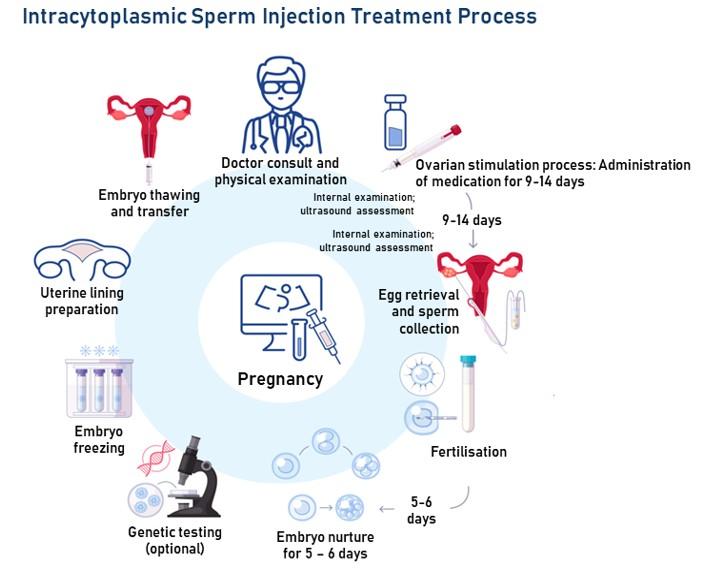
| Provision of Fertility Clinic Services (SAFE) | 1) Infertility treatment by ICSI (Intracytoplasmic Sperm Injection: ICSI) The infertility treatment using the ICSI method involves assisting the fertilization of eggs and sperm outside the body. The process entails selecting only the strongest sperm through a microscope and injecting it into a mature egg using a small needle to achieve targeted fertilization. It will then be nurtured in a laboratory under appropriate conditions. When the embryo reaches the Blastocyst stage at around 5-6 days old, the embryo is transferred back into the uterus to establish a pregnancy. In certain cases, chromosome screening can be performed to enhance the success rate. ICSI treatment is a widely popular method that yields satisfactory fertilization results. It effectively addresses abnormal fertilization issues arising from both eggs and sperm. For instance, it is beneficial when the male partner has a low sperm count or sperm cannot naturally penetrate the egg's shell. It also helps overcome abnormalities in ovarian hormone function and complications such as tubal blockage or problems with the endometrium. The success rate of ICSI treatment generally ranges from 47% to 100% each treatment cycle, and it increases to 79% to 84% when additional chromosome screening is performed. The treatment process is discussed below.
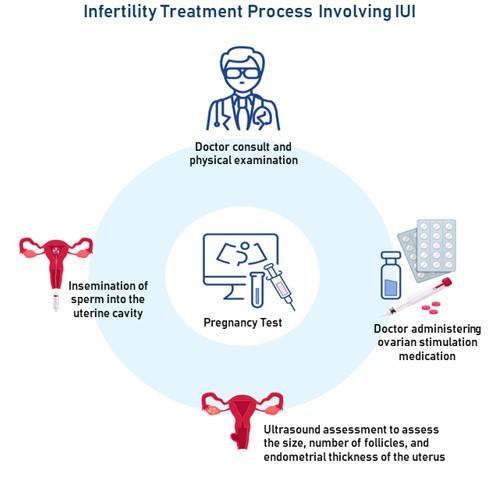
Infertility treatment using ICSI method starts with the doctor performing an ultrasound for initial assessment. Then, a plan is made to administer egg-stimulating medication for approximately 9- 14 days to promote the growth of multiple eggs in that menstrual cycle. Regular ultrasound examinations are scheduled to monitor the size and number of eggs. Afterwards, when the eggs have reached an appropriate size, the doctor will administer medication to stimulate ovulation. Approximately 36-38 hours later, the doctor will schedule the woman to undergo egg retrieval along with the collection of sperm from the male partner on the same day. Then, scientists will induce fertilization within a standardized laboratory by injecting a single sperm into the most viable egg. After fertilization, the embryo will be nurtured in the EmbryoScope Plus, an advanced embryo incubator equipped with continuous time-lapse imaging technology using a high-quality lens. This enables the caregiving team to closely monitor the continuous development of the embryo without disrupting its growth and promoting optimal development until the embryo reaches 5-6 days of age. In certain cases, embryo chromosomal screening can be conducted to enhance the chances of achieving pregnancy. Then, the doctor will proceed to transfer the embryos into the uterus or freeze them for later use, allowing the woman to recover and prepare her uterus to be in an optimal condition before the actual embryo transfer takes place. After approximately 14 days, the doctor will schedule an appointment for the patient to undergo a pregnancy test and check the results. 2) The treatment of infertility by injecting semen into the uterine cavity (Intrauterine Insemination: IUI) The treatment of infertility using the IUI method involves directly injecting screened semen, consisting of viable and motile sperm, into the uterine cavity during the woman's ovulation period. The viable sperm do not need to swim through the cervix. This allows for easier entry into the uterus and increases the chances of successful fertilization between the eggs and sperm compared to natural intercourse. Treatment for infertility using the IUI method is non-surgical, eliminating the need for recovery time. The treatment period typically lasts around 10-14 days and is relatively cost-effective compared to other infertility treatments. Consequently, doctors often prioritize starting with IUI as the initial treatment option for patients. However, IUI infertility treatment is often suitable for married couples who cannot identify the cause of infertility, such as men with below-standard sperm count or women with conditions like endometriosis or ovulation issues. However, IUI infertility treatment is not viable when both uterine cervices are blocked or when the quality of sperm is extremely low.
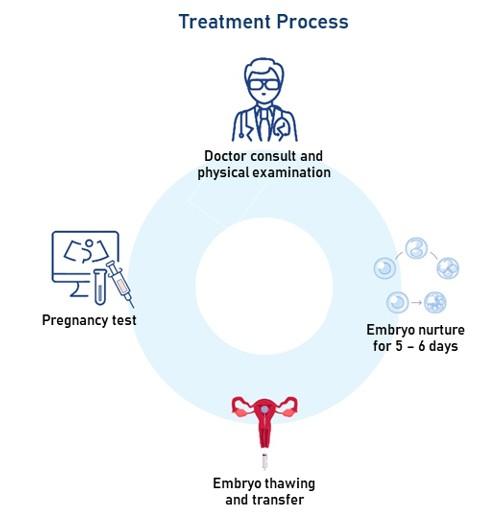
The treatment process begins with the doctor performing an ultrasound during the first 1-3 days of menstruation for an initial assessment. Then the doctor will schedule the administration of ovarian stimulation drugs to promote the growth of eggs in that particular month. Additionally, appointments will be made for ultrasound examinations to monitor the size and quantity of eggs, as well as the thickness of the uterine lining. Afterward, when the eggs have reached an appropriate size, the doctor will administer an injection to induce ovulation. Approximately 36-40 hours later, the doctor will inject the prepared sperm into the uterine cavity on the day of ovulation. After approximately 14 days, the doctor will schedule an appointment to conduct a pregnancy test and check the result. 3) Embryo Transfer There are two types of embryo transfers into the uterus: Fresh Embryo Transfer (ET) and Frozen-thawed Embryo Transfer (FET), depending on the readiness of the husband and wife and the physician's discretion. Fresh embryo transfer can be performed between the 5th and 6th day of embryo development, depending on the specific indications for each individual. In certain situations, fresh embryo transfer cannot be conducted. These circumstances encompass a heightened risk of Ovarian Hyperstimulation Syndrome (OHSS), awaiting results of chromosomal screening for couples at risk of genetic diseases, the necessity of adequately preparing the woman's uterine cavity for optimal embryo implantation, or future family planning considerations. In such instances, frozen-thawed embryo transfer will be a viable alternative, offering the opportunity to maximize the embryo's implantation rate. The clinical pregnancy rate will not decrease. In fact, frozen embryo transfer further contributes to the increased success rate. The process of embryo transfer is identical in both fresh and frozen cycles. The only distinction is the method used to prepare the uterine cavity before the transfer takes place. Fresh embryo transfer takes place within 5-6 days after fertilization using the ICSI method. The procedure involves using an embryo transfer catheter and an ultrasound machine to precisely position the embryo for implantation. Following the transfer, natural progesterone hormone is administered to support the pregnancy. There are two methods for embryo transfer in the frozen cycle. The first method is natural frozen-thawed embryo transfer, which involves using natural estrogen to prepare the uterine cavity without the need for additional hormonal drugs. Therefore, blood tests to measure hormone levels and ultrasound examinations are necessary to predict the timing of ovulation and facilitate embryo transfer. The second method involves preparing the uterine cavity using estrogen hormone medication (artificial or medicated embryo transfer) to accurately determine the day of ovulation and facilitate embryo transfer when the uterus is primed for implantation. After approximately 10 days, the doctor will schedule an appointment to conduct a pregnancy test and check the result. 4) Egg Freezing, Sperm Freezing and Embryo Freezing The process of freezing to preserve egg cells, sperm, and embryos is called vitrification. It involves replacing the water in the cells with a cold solution, rapidly reducing the cell temperature, and transforming them into a glass-like solid without the formation of ice crystals. This is achieved by using liquid nitrogen and storing them at a temperature of -196 degrees Celsius. Nowadays, freezing oocytes, sperm, and embryos for preservation has become a popular choice. This method offers advantages to individuals who are not yet prepared for pregnancy, patients with infertility issues that make immediate embryo transfer challenging, those undergoing chemotherapy, individuals with genetic concerns, and couples who want to plan their future family. The process of freezing eggs, sperm, and embryos follows similar stages. The only variation lies in the preparation of the egg cells. Sperm and embryos are fertilized using the ICSI method. The oocyte preparation process starts with the doctor administering stimulant injections to obtain an adequate number of oocytes with the appropriate size. This process typically lasts around 8-10 days. Afterwards, the doctor will schedule an appointment to retrieve the eggs by selecting matured eggs for the freezing process. The sperm preparation for freezing involves using sperm obtained from the male partner through either natural ejaculation or through procedures such as Percutaneous Epididymal Sperm Aspiration (PESA) or Testicular Sperm Aspiration (TESA) (please refer to item 5 for more details).Embryo freezing occurs after the eggs and sperm have been fertilized using the ICSI method and cultured in an incubator until they reach an age of 2-7 days or the remaining embryos from the current embryo transfer cycle. The scientists will carefully select the embryos to be frozen for future treatments. 5) Percutaneous Epididymal Sperm Aspiration: PESA or Testicular Sperm Aspiration: TESA) The PESA/TESA method involves the direct collection of sperm from the testicles. This is performed when there are issues with male fertility, which can be caused by various factors such as poor physical health, unhealthy lifestyle choices, and congenital abnormalities. These abnormalities may include the absence or blockage of the sperm ducts, as well as previous accidents or infections in the testicular region. Sperm collection by the PESA method involves inserting a needle through the skin around the scrotum into the epididymal tube and then extracting the sperm. TESA method, on the other hand, involves inserting a needle through the skin of the scrotum into the testicle and extracting the sperm. Normally, doctors typically prefer to use the PESA method initially as it is less painful and yields better semen and sperm quality, except in certain cases where PESA is not feasible. TESA sperm collection involves a minor surgical procedure. The individual may receive anesthesia injections. Then, the doctor will make a small incision, approximately 0.5-1.0 centimeters in size, to extract a portion of the spermatic ducts and select high-quality sperm. After that, the patient rests for approximately 30-60 minutes before being able to go home. 6) Intracytoplasmic Morphologically Selected Sperm Injection: IMSI The IMSI sperm selection technology uses high-magnification microscopy, ranging from 6,000 to 12,000 times, to select sperm with desirable characteristics for fertilization with egg cells. The IMSI sperm selection technology allows for a clearer visualization of the sperm's shape. Vacuoles, which are holes at the head of the sperm, can be observed. These vacuoles serve as indicators that the sperm may have fragmented genetic material (DNA fragmentation), potentially leading to incomplete fertilization or failed implantation in the uterine cavity. Therefore, the use of IMSI sperm selection technology can enhance the success rates of pregnancy or the rate of embryo implantation in the uterine cavity. It increases the quantity of embryos with normal morphology, boosts the rate of blastocyst development, reduces miscarriages, and decreases the proportion of embryos that cease to grow. The IMSI sperm selection technology is suitable for couples who face difficulties in conceiving due to male infertility factors, such as abnormalities in the quantity or quality of sperm. It is particularly beneficial for couples who have previously undergone unsuccessful IVF or ICSI treatments or have experienced miscarriages. 7) Magnetic Activated Cell Sorting Sperm: MACS Sperm The MACs Sperm screening is a method used to select high-quality sperm (Non-Apoptotic Sperm), particularly suitable for couples who are likely to have a high incidence of DNA fragmentation, indicating genetic material abnormalities. This method is beneficial for couples where the male partner has undergone semen analysis and abnormalities have been identified, or couples who have a history of multiple unsuccessful IVF or ICSI procedures. MACS Sperm is a selection method for Non-Apoptotic Sperm, where the MACS GMP Annexin V solution binds to sperm with DNA fragmentation (Apoptotic Sperm). These are sperm cells that are on the verge of cell death and can impact embryo development. Then, when it is passed through the MACS column, which contains a magnetic field, the apoptotic sperm are unable to pass through the column. Sperm with DNA fragmentation may exhibit a normal shape after fertilization with the egg, but it can impact the quality of the embryo. For instance, it may result in lower blastocyst development. This can lead to reduced pregnancy rates and increased chances of miscarriage. |
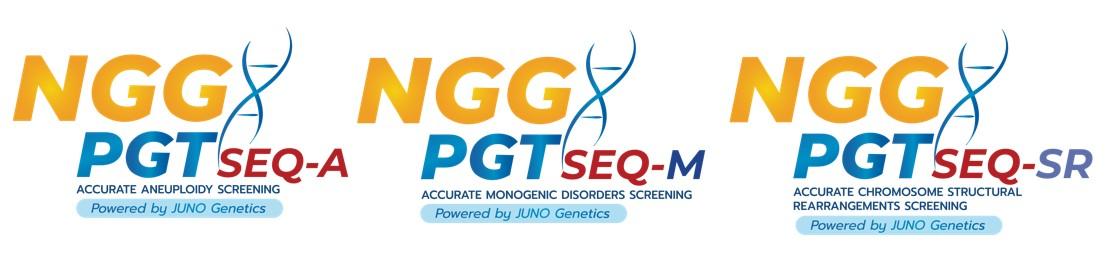
| Provision of Embryo and Fetal Genetic Testing Services (NGG) | 1) Preimplantation Genetic Testing: PGT-Seq Pre-implantation genetic screening is a genetic analysis of embryos that can be performed during in-vitro fertilization (IVF) or intracytoplasmic sperm injection (ICSI) procedures. This analysis involves examining tissue samples from embryos at the 5-7-day (blastocyst stage). The screening purpose is to identify and prevent genetic diseases resulting from chromosomal or gene mutations. The treating physician will assess the patient's eligibility based on the criteria set by the Medical Council Notification. For example, if either spouse has a genetic disorder that can be inherited by the baby, or in the absence of a genetic disorder, there must be a history of pregnancies where the baby had a genetic disability or abnormality. Other factors include a history of two or more miscarriages before 12 weeks of pregnancy, the wife being 35 years of age or older, or if the couple has experienced failed embryo transfers or concerns about the likelihood of having a child with Down syndrome. There are three types of the examination. 1.1) Preimplantation Genetic Testing for Aneuploidies: PGT-Seq A Embryo genetic screening is the process of examining the chromosomes of an embryo by analyzing all 23 pairs of chromosomes. This analysis helps identify any abnormalities in the embryo before it is transferred into the uterus. It is a test to screen for genetic diseases caused by mutations at the chromosome level, known as chromosome mutations. Examples of such conditions include Down syndrome (Trisomy 21), which involves an extra copy of chromosome 21, and Turner syndrome (Monosomic X), which is characterized by the absence of one X chromosome. This screening helps to reduce the risk of detecting birth defects such as Down syndrome and decreases the rate of miscarriage in pregnant women. Additionally, it contributes to increasing the success rate. Significant advancements in molecular genetics technology have led to substantial improvements in the accuracy of pre-implantation screening for genetic diseases and a reduction in testing time. With the newly developed DNA decoding or nucleotide sequencing technology within the DNA structure, Next Generation Sequencing (NGS) combined with Single Nucleotide Polymorphism (SNP) analysis provides more accurate and precise results. 1.2) Preimplantation Genetic Testing for Monogenic Disorder: PGT-M Embryo genetic diagnosis is the process of diagnosing abnormalities at the gene level. The purpose is to prevent genetic diseases that result from abnormalities in a single gene, which can be inherited or occur spontaneously during gametogenesis. Examples of such diseases include Thalassemia, Cystic Fibrosis, and Duchenne Muscular Dystrophy. Embryo genetic diagnosis is highly accurate, specific, and reliable in detecting genetic abnormalities at the molecular level. Currently, there are two methods of detection: (1) short tandem repeat (STR)-based on linkage analysis, and (2) Karyomapping. 1.3) Preimplantation Genetic Testing for Chromosomal Structural Rearrangement (PGT-SR) The screening technology examines the abnormalities in the number of chromosomes of embryos aged 5-7 days (Blastocyst) resulting from the swapping of chromosomes between the father and mother. This swapping creates breakpoints that can have an impact on infertility, recurrent miscarriage, or render the embryo nonviable due to abnormal chromosome numbers. This technology helps reduce the risk of encountering congenital abnormalities, such as missing/excessive segments of chromosomes, and lowers the rate of recurrent miscarriages. It avoids the use of non-viable embryos and also enhances the success rate of embryo implantation during transfer into the uterus.
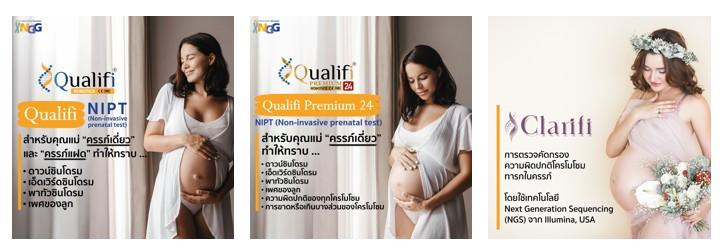
2) Non-Invasive Prenatal Testing: NIPT The detection of chromosomal abnormalities in infants from the mother's blood can identify abnormalities such as missing or additional chromosomes. These abnormalities may impact the developmental progress and lead to various disabilities in the body. This testing features the safety of the fetus as it tests the baby's DNA from the mother's blood. This differs from procedures like amniocentesis or placenta aspiration, which carry a risk of miscarriage of approximately 0.5-1.0 percent. Additionally, the results will be available within 7-10 days. The testing may detect all pairs of chromosomes or specifically the main chromosomes, including chromosomes 13, 18, 21, X, and Y. The most common abnormality detected is an increase in the number of chromosome pairs, known as Trisomy 21 (Down Syndrome), Trisomy 18 (Edwards Syndrome), and Trisomy 13 (Patau Syndrome).
3) Expanded Carrier Screening (ECS) Expanded Carrier Screening (ECS) is used to identify carriers of genetic disorders inherited in an autosomal recessive or X-linked manner. Carriers of such conditions are typically asymptomatic but may pass on abnormal genes to their offspring. If a child inherits mutated genes from both parents, this may result in genetic disorders that can affect quality of life, cause congenital abnormalities, or, in severe cases, be life-threatening. Therefore, ECS is recommended for couples who are planning a pregnancy or are in the early stages of pregnancy (within the first 12 weeks). This type of testing involves a blood sample to analyze abnormalities across hundreds of genes simultaneously, enabling prospective parents to understand the risk of having a child with inherited genetic conditions. The number and types of conditions included in ECS vary depending on the testing panel offered by each laboratory, typically covering between 100 and over 500 conditions. For NGG, two ECS programs are available : one covering 302 genes and another covering 611 genes.
|
| Provision of Aesthetic and Wellness Services (SWC) | 1) General Injectable Medication Care Services The service for general injectable medication care can be divided into two categories: skin rejuvenation injections and injections for reducing wrinkles and facial contouring. Here are the details of each service. Skincare service SWC offer services in the category of injectable medications or IV injections, which are divided into vitamin injections for addressing dry and damaged skin, restoring a youthful, radiant, and elastic appearance. For example, the Luminous Skin program involves injecting vitamin C and B vitamins to aid in skin rejuvenation and body invigoration. The Ageless Booster program, on the other hand, entails the injection of essential amino acids to repair and fortify tissues, effectively addressing skin concerns. SWC also offers vitamin injection services to support fertility, such as the sperm booster and fertility booster program, which includes vitamins that help nourish hormones for both male and female clients seeking assistance with infertility. Vitamin injections and medications are widely popular nowadays for nourishing the skin and expediting bodily recovery, thanks to their advantages such as no required recovery period, efficient use of time, and cost-effectiveness. SWC also provides direct facial injections of vitamins and skincare substances, such as collagen and vitamin C. Wrinkles and facial contouring services Botox injections (Botulinum toxin or Botox) are a type of pure natural protein substance. They cause the muscles in the treated area to relax and reduce in size. They can be used to shape the face into a slimmer appearance, diminish wrinkles, create a more faded look, and improve skin firmness and smoothness. Injection of fillers containing hyaluronic acid, also known as Hyaluronic Acid (HA), comes in various types. Each type possesses distinct properties such as filling deep grooves to make them shallower, reducing wrinkles, and enhancing facial dimension. For example, injections can be administered in the under-eye area, temple area, chin area, cheek area, and even for plumping the lips. Filler is an additional alternative for filling deep grooves, shaping the face, or addressing specific concerns. It provides visible and rapid results without the need for recovery. However, when providing injectable drug care services, a dermatologist plays a vital role in offering treatment guidance and assessing the suitability for each individual. They recommend the optimal quantity, dosage, and frequency of treatment tailored to the specific needs of the patient. 2) Treatment service Treatment services involve external treatments using topical medications applied to the skin or various medical tools for procedures, without the need for any injections on the patient's face or body. These services are divided into treatments for skincare and treatments for reducing wrinkles and providing lifting effects. Details of each treatment are discussed below. Skincare treatment We offer skincare treatment services to nourish the skin and address issues such as dryness, dehydration, lack of moisture, loss of elasticity, dullness, and acne. These treatments involve the use of light therapy and the application of appropriate medications. In certain programs, massage techniques or the use of a vitamin-infusion device may be incorporated to enhance the effectiveness of the treatment. For example, the Clear Skin program uses the Vital Injector3 from Korea, which stimulates collagen production for a luminous complexion. Additionally, the Exfoliation Program, carried out using the Plasmalis device from Korea, aims to tighten pores and reduce facial oiliness. Wrinkles and lifting treatment Treatment services for wrinkle reduction and skin tightening include facial massages to lift the skin. Additionally, there are treatments that use technology to reduce wrinkles and address sagging skin caused by excess fat and aging. Treatment services include the use of the Ulthera machine to lift the face. This involves using ultrasound waves to stimulate collagen and elastin production beneath the skin. Additionally, services are provided using the Endymed innovation from the United States to reduce wrinkles around the eyes, neck, and torso. The Morpheus machine can stimulate the reorganization of collagen in the dermis layer and the subcutaneous fat layer using RF (Radio Frequency) technology. The Endymed machine is an innovative treatment for acne scars, large pores, uneven skin, and provides lifting, tightening, and wrinkle reduction. It uses RF (high-frequency radio waves) transmitted through all 24 pins beneath the skin, reaching the dermis layer. 3) Wellness service Wellness services are anti-aging services related to disease prevention and longevity for patients, strengthening the immune system such as NK Therapy, vitamin supplementation, heavy metal testing, and guts balance. We provide blood testing services to find various values and provide customized hormone and vitamin supplements to patients. |
Research & Development
Has R&D Policy (Y/N)
No
R&D Cost — Description
Research and Development
1) Investment in technology
The Group establishes operational plans for senior executives to present information on new innovations to the Board of Directors, medical professionals, and scientists. This process showcases the Company's capability to adapt to changes in therapeutic technology, medical tools, and equipment. By consistently selecting and importing efficient and economically feasible new technologies, the Company has achieved a track record of successful treatment outcomes. Additionally, these technologies have gained widespread popularity in fertility treatment centers in Thailand today. The Group is dedicated to maintaining and enhancing this potential, ensuring continuous operational improvement aligned with its strategies and business objectives.
2) Expanding the network of partnerships to include educational institutions, research institutes, and infertility treatment clinics worldwide
The Group supports personnel in all positions by providing opportunities for further education and training related to their roles and responsibilities. This includes regular participation in training programs and visits to both internal and external organizations, including educational institutions and research institutes, both domestically and internationally. Additionally, Company personnel may also serve as consultants or trainers, sharing their knowledge with others both locally and internationally. This process ensures that personnel continuously develop their knowledge, expertise, and experience to keep up with rapidly evolving events and technologies.
R&D Cost — Label
Research and development (R&D) expenses over the past 3 years (Million Baht)
Assets Used in the Business
Permanent Assets — Description
As of 31 December 2025, the Group has the following main assets used in its business operation:
Permanent Assets — Appraisal
| Asset | Ownership | Obligation | Appraisal Value |
|---|---|---|---|
| Building | Ownership | None | 38,241,336 |
| Office decoration | Ownership | None | 26,265,514 |
| Office furnishings | Ownership | None | 1,924,802 |
| Office supplies | Ownership | None | 1,560,324 |
| Computer equipment | Ownership | None | 3,398,339 |
| Medical tools and equipment | Ownership | None | 33,745,546 |
| Public utilities | Ownership | None | 16,552,196 |
Intangible Assets — Description
The Group’s intangible assets used in its business operation include computer programs having net book value of THB 8.82 million as of 31 December 2025.
Intangible Assets — Appraisal
| Asset | Type | Appraisal Value |
|---|---|---|
| Computer programs | Software | 8,825,452 |
Has Subsidiaries Investment Policy (Y/N)
Yes
Subsidiaries Investment Policy — Description
The Company is currently considering joint investment opportunities with laboratories in private and government hospitals, partnerships in the form of joint ventures with private hospitals in Thailand and abroad or in the form of franchise contracts with private hospitals abroad. However, from the current status, it is still studying the feasibility of investment formats and legal requirements, which will carefully consider the joint investment opportunities that will occur, considering the risks and returns for the maximum benefit of the Company. The Company is also considering expanding and opening additional branches in the country to provide more comprehensive services.
The Company has a policy to invest in subsidiaries and associated companies that have the potential for growth and can generate favorable returns on investment. These businesses may support the Company's core operations and create synergies, enhancing the Company's competitive advantage and enabling it to become a leading player in its core industry. Additionally, the Company may consider additional investments in businesses that exhibit growth potential, have opportunities for business expansion, or provide benefits to the Company's operations. All investments will be in line with the Company's business conditions, growth strategy plan, and comply with the rules, regulations, and requirements of the relevant regulatory bodies.
The Company emphasizes long-term investments by considering fundamental factors and trends in the businesses it invests in. It invests in an adequate proportion to actively participate in overseeing and shaping the business operations of its subsidiaries and associated companies. Additionally, the Company promotes sustainable growth in the businesses it invests in. The Company will consider investment with caution and prudence by arranging for an analysis of the feasibility of the investment plan, taking into account the risks, returns, financial liquidity of the Company and economic conditions, and presenting the investment plan to the Board of Directors and/or shareholders for consideration and approval (by the case) and there will be regular monitoring and reporting of investment results to the Board of Directors. The Company's investment procedures will comply with the rules of the Stock Exchange of Thailand and the Securities and Exchange Commission, including related regulations.
Marketing Policy & Competition
Reporting Mode
3117
Marketing Policy (Overall)
Target Customer
The Group's clientele is a group of customers who want to have children, including both domestic and international customers.
The Group's clientele comprises both domestic and international customers. They are individuals in the working age bracket, with an average age of 30 years and above, and belong to the middle to high income bracket. Additionally, there is a segment of customers who are seeking to start a family. This customer group exhibits low sensitivity to prices and economic fluctuations, allowing the Group to consistently uphold quality and service standards without concerning with price competition. Middle-income customer groups will receive services at the metropolitan branch and branches in the upcountry. These customer groups can be divided into two main categories. These two categories are discussed below.
Women who wish to have children in the future.
In the current social environment, women have increasingly important roles. They have equal opportunities and abilities as men. Consequently, most women prioritize things other than marriage, such as education and work, resulting in a trend of marrying later compared to the past. This may eventually lead to difficulties in conceiving. Therefore, oocyte freezing is a viable option for modern women who desire to have children in the future. Additionally, it includes patients with cysts or tumors requiring ovarian surgery, as well as cancer patients undergoing radiation therapy or chemotherapy.
Couples who facing infertility problems, both Thai nationals and foreigners
Infertility is a condition in which a couple is unable to conceive after having regular sexual intercourse without contraception for at least one year. In Thailand, the total fertility rate is 1.16 in 2021, according to data from the Department of Health. This rate is below the replacement level of 2.1 persons, which is the fertility level required to maintain a stable population size and the overall reproduction rate. This may be caused by the male side, such as a low sperm count, a narrowed spermatic duct, or a narrowed urethra. On the female side, the causes may include hormonal abnormalities leading to lack of ovulation, obstruction of the fallopian tubes, or the presence of endometriosis in the uterus.
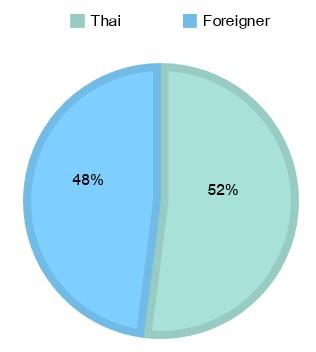
The below chart shows the proportion of each type of patient receiving services from the Group in 2024.
Distribution and Distribution Channels
Walk-in customer
At present, the Company has 5 branches: Gaysorn Amarin branch, Ramindra branch, Phuket branch, Khon Kaen branch, and Sri Racha branch. Customers can contact the clinic directly for information, or they can use the Group’s telephone number to inquire about basic information regarding infertility treatment services and schedule an appointment with a doctor. The Group’s reputation and high success rate in pregnancy and infertility treatment services lead to customers referring others through word of mouth. What customers expect from service providers are clear and tangible results, a high success rate, industry expertise, a sense of safety, and convenience in using the services.
Foreign customers through agents
The Company has channels to reach international customers, including China, India, and Vietnam, through its representatives who can contact and engage with individuals experiencing infertility. Additionally, there is a group of customers who refer them to the clinic for treatment. The Company requires clear qualifications and offer competitive remuneration for its agents. The Company collaborates with over 20 agents.
Industry & Competition (Overall)
KASIKORN Research Center has revealed trends in the infertility treatment service industry, indicating that Thailand’s infertility service market in 2025 is expected to be valued at approximately THB 6.1 billion, representing a growth of 3.1%. This growth is driven by increasing demand from both Thai and international patients, in line with global trends. However, it has slowed compared to the previous year’s growth of 4.3%, due to slower growth in foreign patient volumes, as well as pressure from the economic situation and reduced domestic purchasing power.
In 2025, the market value of Thai patients is expected to grow by 2.8%, supported by trends of delayed childbearing and increasingly complex fertility issues, with a higher proportion of causes attributed to male factors. This has led to greater reliance on more advanced and higher-cost treatment methods.
Meanwhile, the market value of foreign patients is expected to grow by 3.5%, supported by competitive pricing and high service quality, as well as the expansion into new target markets by businesses in the sector.
Global Infertility Treatment Service Market Trends
In 2025, the global infertility treatment service market is projected to exceed USD 22 billion, representing a growth of 6.8% from 2024.
The global infertility treatment service market continues to show a positive growth trend, led by in vitro fertilization (IVF), which accounts for more than 80% of the total market value. In particular, the Asia-Pacific region is expected to see its share of the IVF market increase from 22% in 2020 to 26% by 2030, driven by an increasing number of countries entering a rapidly aging society.
Declining fertility rates, combined with infertility issues, are key factors supporting the continued expansion of the global infertility treatment market.
The global fertility rate has shown a continuous downward trend, decreasing from 4.8 children per woman in 1970 to 2.2 in 2025. In addition, changing social norms regarding childbearing have led couples worldwide to have children later in life, as reflected in the rising average age of first childbirth, which is currently around 28 years. These trends have contributed to the growing importance of infertility treatment services.
Furthermore, the increasing prevalence of fertility issues worldwide is driving the growth of cross-border infertility treatment, or “fertility tourism.” In 2023, fertility tourism ranked as the third-largest segment, accounting for approximately 14% of the global medical tourism market. The growth of fertility tourism is expected to benefit Thailand, as the country is likely to see an increase in inbound patients seeking infertility treatment services.
Thailand’s Infertility Treatment Service Market Trends
In 2025, Thailand’s infertility treatment service market is expected to be valued at over THB 6.3 billion, representing a growth of 6.2% from 2024. The market can be divided into two main segments: Thai patients, accounting for 70% of total service users, and international patients, accounting for the remaining 30%.
Although the market value in 2024 showed a slowdown in growth due to a high base effect from the previous year, influenced by the “Year of the Dragon” childbirth preference, the market value in 2025 is expected to accelerate. This growth is primarily driven by the increasing number of international patients, which is expanding at a faster rate than the overall market.
In particular, in vitro fertilization (IVF) treatments are expected to see a 5.9% increase in the number of treatment cycles, as they are popular among international patients due to higher success rates compared to other methods. Meanwhile, intrauterine insemination (IUI), which has a lower success rate, is expected to grow by 3.7% in treatment cycles, mainly driven by Thai patients.
Market for Infertility Treatment Services for Thai Patients
The market value of Thai patients seeking infertility treatment is expected to grow by 5.0% in 2025, driven by the trend of delayed childbearing and increasing infertility issues.
The Thai patient segment, which accounts for more than 55% of the total market value, continues to grow due to changing economic and social conditions that have led couples to postpone having children. This is reflected in the increasing proportion of births among women aged 30 and above, which rose from approximately 35% in 2012 and is projected to reach 46% in 2025.
In addition, many couples experience infertility due to health-related factors such as hormonal imbalances, obesity, and work-related stress.
ICSI (Intracytoplasmic Sperm Injection), a more advanced and higher-cost form of in vitro fertilization, has been gaining popularity among Thai patients due to the increasing complexity of infertility cases, particularly those associated with male factors.
Infertility treatment using intrauterine insemination (IUI) has been declining in popularity, as reflected in its reduced share of treatment cycles post-COVID-19, decreasing from 31% in 2022 to an estimated 28% in 2025 (Figure 6). Similarly, conventional IVF has shown only modest growth in treatment cycles, averaging around 2% per year, whereas ICSI has demonstrated stronger growth, with an average annual growth rate of 8% (CAGR 2022–2025).
The rising trend in ICSI usage aligns with industry observations that infertility cases among Thai couples have become more complex in recent years, with a higher prevalence of male-factor infertility. This is often linked to sperm abnormalities caused by risk behaviors such as smoking, alcohol consumption, and medical conditions resulting from certain medications. As a more advanced reproductive technique, ICSI offers higher success rates compared to other methods, particularly in cases involving such conditions.
Market for Infertility Treatment Services for International Patients
The market value of international patients traveling to receive infertility treatment is expected to grow by 7.6% in 2025, driven by Thailand’s strengths in both pricing and service quality.
International patients account for more than 45% of the total market value, and this segment continues to expand, particularly among patients from China, India, and ASEAN countries who prefer to travel to Thailand for infertility treatment. Thailand is considered one of the key destinations for fertility tourism, offering several advantages, including:
Relatively lower treatment costs: IVF treatment in Thailand costs approximately USD 6,000 on average, which is lower than in key competitor countries such as Singapore and Malaysia. In addition, many Thai healthcare facilities are accredited by the Joint Commission International (JCI), exceeding standards in several other countries (Figure 7).
Well-developed supporting infrastructure: Thailand offers a wide range of facilities that enhance the overall experience for international patients beyond medical treatment, such as hotels and accommodations, restaurants, shopping centers, and other amenities. In addition, the availability of Medical Treatment Visas allows foreign patients to stay in Thailand for follow-up care and continued treatment.
The international patient segment remains a high-potential market, as reflected by businesses focusing their marketing efforts on attracting more customers from this group.
The continued growth in the number of international patients is partly driven by the fact that, over the past 1–2 years, infertility treatment providers in Thailand have intensified their marketing efforts through both offline and online channels, as well as through agents, to attract more foreign patients to receive services in Thailand.
The cost of infertility treatment for international patients is approximately twice as high as that for Thai patients, due to additional services included in treatment packages such as interpreters, transportation, commissions, and other support services. Therefore, expanding into new markets represents an opportunity to generate incremental revenue, particularly for private hospitals, where international patients typically account for around 20–30% of total revenue.
Opportunities for the Infertility Treatment Services Business in the Future
The relaxation of China’s birth policy from allowing two children to three children since 2021, in response to the country’s rapidly aging society, along with the continued decline in China’s population since 2022, suggests that the Chinese government is likely to maintain this policy in the medium to long term. As a result, Thailand—being one of the key destinations for Chinese patients seeking infertility treatment—is expected to continue benefiting, as domestic healthcare services in China remain insufficient to meet the growing demand.
The potential revision of Thailand’s surrogacy-related laws, such as allowing female relatives of a wife aged 20–40 to donate eggs without requiring marriage, and permitting wives aged 55 and above to access surrogacy services, could further support the growth of the infertility treatment market using assisted reproductive technologies. However, the extent to which such legal amendments will facilitate market growth will depend on the final regulatory details.
The enforcement of the Equal Marriage Act in 2025 will require amendments to related subsidiary laws to align with marriage equality, particularly enabling same-sex couples to have children through assisted reproductive technologies. This is expected to positively impact Thailand’s infertility treatment market by making services more inclusive, especially for the LGBTQ+ population, which is estimated to number around 5.9 million people in Thailand, or approximately 9% of the total population, and is expected to continue growing in the future.
The global trend of “having children when ready” is driving the growth of egg freezing and storage services worldwide. The global market for egg freezing and preservation is expected to grow at an average annual rate of 8% (CAGR 2023–2028), higher than other segments within the infertility treatment market. This trend may enhance Thailand’s competitiveness in the fertility tourism market, as its regulatory framework is less restrictive compared to some competitors. For example, Singapore limits access to women aged 21–37, while Malaysia restricts egg freezing for unmarried women to non-Muslims.
Procurement of Products & Services
Reporting Mode
3117
Procurement (Overall)
Procurement of the Group’s business establishments (medical clinics)
Currently, the Group’s locations are detailed in the following table:
Branch | Location |
Gaysorn Amarin Branch, Bangkok (Head Office) | Amarin Plaza Building, 17th Floor, No. 496, 498, 500. 502, Ploenchit Road, Lumpini, Pathumwan, Bangkok 10330 |
Ramindra Branch, Bangkok | No. 999/2 Ramindra Road, Khan Na Yao Subdistrict, Khan Na Yao District, Bangkok 10230 |
Khon Kaen Branch | No. 294/10, Moo 7, Maliwan Road, Nai Mueang Subdistrict, Mueang District, Khon Kaen 40000 |
Phuket Branch | No. 44 Moo 5, Krungthep-Siriroj Building, 4th Floor, Chaloem Phrakiat Rama 9 Road, Wichit Subdistrict, Mueang Phuket District, Phuket 83000 |
Sri Racha Branch, Chonburi | No. 218/12, Moo 10, Bang Phra Subdistrict, Si Racha District, Chonburi 20110 |
The Company has a policy for selecting clinic locations based on two main factors. Firstly, it considers the economic feasibility of the location, such as being situated in economic centers of various major cities. Investing in a company branch entails investing in the area itself, including medical tools, equipment, and human resources, which represent a substantial investment. Therefore, to achieve business growth objectives, it is essential to choose areas with potential and a sufficient number of target customers who possess the capability and authority to purchase services. Another crucial factor is the adequacy of personnel, particularly in the selection and recruitment of knowledgeable doctors with expertise and experience. This ensures the ability to deliver efficient and safe services and provide effective patient care, in line with the Company's operational standards.
Procurement of pharmaceuticals, drugs, medical materials, and medical equipment
As the Group is one of the leading providers of state-of-the-art reproductive technologies, it places great importance on pharmaceuticals, medications, medical supplies, and a wide range of medical tools. The group's team of doctors and scientists, who specialize in using state-of-the-art medical equipment and tools, are responsible for selecting suitable technologies. The Group procures medicines, laboratory reagents, pharmaceuticals, medical materials, and medical devices from reputable domestic distributors who are certified to meet both Thai and international standards, such as ISO, CE, or TISI standards, as well as the Thai Food and Drug Administration (FDA). This ensures the efficiency and safety of patients receiving services from the Group. The Group considers the price and service terms before placing orders with each distributor. The Group manages the procurement of pharmaceuticals, medications, medical supplies, and medical equipment to ensure an adequate supply based on usage statistics. This includes an efficient ordering system and inventory backup to estimate each order, ensuring the right amount of products without excess or shortage. Additionally, there is regular quality control of drug storage facilities and equipment to maintain high standards.
Procurement of doctors and medical personnel
The Group attaches great importance to the selection of physicians and medical professionals. As physicians and medical personnel are valuable resources and crucial factors in the operation. The recruitment process for all medical personnel within the Group includes thorough verification of qualifications and professional documentation before employment, ensuring compliance with relevant standards and regulations set by the Ministry of Public Health.
As of 31 December 2023, 31 December 2024, and 31 December 2025, the Group has physicians and medical personnel as follows:
Position | 31 December 2023 | 31 December 2024 | 31 December 2025 | |||
Full-time | Part-time | Full-time | Part-time | Full-time | Part-time | |
Physicians | 8/1/2 | 5 | 8/1/2 | 5 | 8/1/2 | 7 |
Medical assistants | 21 | - | 21 | - | 22 | - |
Professional nurses | 24 | - | 22 | - | 22 | - |
Personal assistants | 12 | - | 15 | - | 14 | - |
Embryologists or medical technologists | 36 | - | 37 | - | 39 | - |
Total | 104 | 5 | 103 | 5 | 105 | 7 |
Remarks : 1The Gaysorn Amarin branch and Ramindra branch share two full-time physicians.
2The Gaysorn Amarin branch and Sriracha Branch share one full-time physicians.
The Company has implemented a personnel management policy, which includes the following:
The Company has developed an annual workforce plan for each service branch, including Gaysorn Amarin branch, Khon Kaen branch, Phuket branch, Ramindra branch, and Sriracha branch. Additionally, the Company has planned human resource expenses, which are presented to and approved by the Board of Directors in writing. A manpower rate request form is prepared before presenting it for approval to the managing director. Additionally, a report on the current number of employees is compiled and compared to the previous year's data. This report is submitted to the managing director monthly for acknowledgement. The Company has established diverse channels for employee recruitment and has developed an operational manual for recruitment, employee selection, and written employment contracts. Additionally, employees must undergo a physical examination and a criminal background check before signing the employment contract. The Company's executives have a strong rapport with expert doctors and scientists, both within the country and internationally. This serves as another crucial avenue for accessing such personnel extensively.
The Company establishes compensation, welfare, and benefits that are commensurate with experience, knowledge, and abilities, and can be benchmarked against other companies.
The Company focuses on personnel development and provides career paths that support employees in all positions. The Company offers opportunities for further studies related to their specific roles and responsibilities. Employees regularly attend training sessions and field trips organized by both internal and external organizations, including educational and research institutions, both domestically and internationally. Additionally, Company personnel may also serve as consultants or trainers, imparting knowledge to individuals both within the country and abroad.
The Company evaluates its employees and makes necessary adjustments to ensure that compensation, welfare, and performance benefits are commensurate with employees' abilities and job positions. This approach aims to motivate employees and encourage their personal development.
The Company consistently reviews the manpower plan to ensure a continuous presence of personnel with sufficient knowledge, abilities, and experience to perform their duties effectively. Additionally, a succession plan is established for key positions, considering individuals' performance and potential, particularly in leadership roles and alignment with the organization’s values.
Projects Under Construction
Has Projects Under Construction (Y/N)
No
Debentures & Bills of Exchange
Has Debentures (Y/N)
No
Convertible Securities
Has Convertible Securities (Y/N)
No